
What is Disassembled Aluminum Joinery? Advantages of Ready-to-Install Systems
Many people working in the construction industry, or homeowners and business owners thinking about having windows or doors installed, encounter the term "disassembled aluminum joinery" but aren't entirely sure what it means. In this article, we'll explain the concept as clearly as possible. We'll use language that everyone from a contractor to a homeowner to a small tradesperson can understand.
What Does "Disassembled" Mean?
Disassembled means in pieces or unassembled form. Think of flat-pack furniture — items packaged in parts, brought to your home, and assembled there. The same logic applies to aluminum joinery. Windows or doors are manufactured in the factory but packaged in parts without being assembled, then shipped to the construction site or project location. Assembly happens on-site.
This method offers significant advantages in certain situations. Especially for construction companies, contractors, and subcontractors with their own installation teams who need to purchase large quantities of windows or doors, disassembled sales is both an economical and practical solution.
Why Sell Disassembled?
In the classic method, aluminum joinery is fully assembled at the factory, tested, and then transported. During transport, glass can break, profiles can get scratched or damaged, and screw holes can be damaged. Moreover, transporting a large, fully assembled window by truck is both costly and space-inefficient.
In the disassembled system, profiles, glass, and accessories are packaged separately. Everything is protected in its own packaging during transport. This greatly reduces the risk of damage during shipping, allows far more products to fit in a truck, and reduces logistics costs.
Who Is It Suitable For?
Disassembled aluminum joinery sales are particularly suitable for:
- Companies building mass housing with many apartments
- Contractors with their own installation teams
- Companies wishing to export products abroad
- Aluminum dealers and resellers
- Investors with projects in multiple cities who want to save on freight
How Is Packaging Done?
1. Profile Packaging
Aluminum profiles are first wrapped with protective foil or foam tape. They are then stacked in groups on wooden pallets or in cardboard boxes. A content list is attached to each package so it's easy to understand on-site which part is used where.
2. Glass Packaging
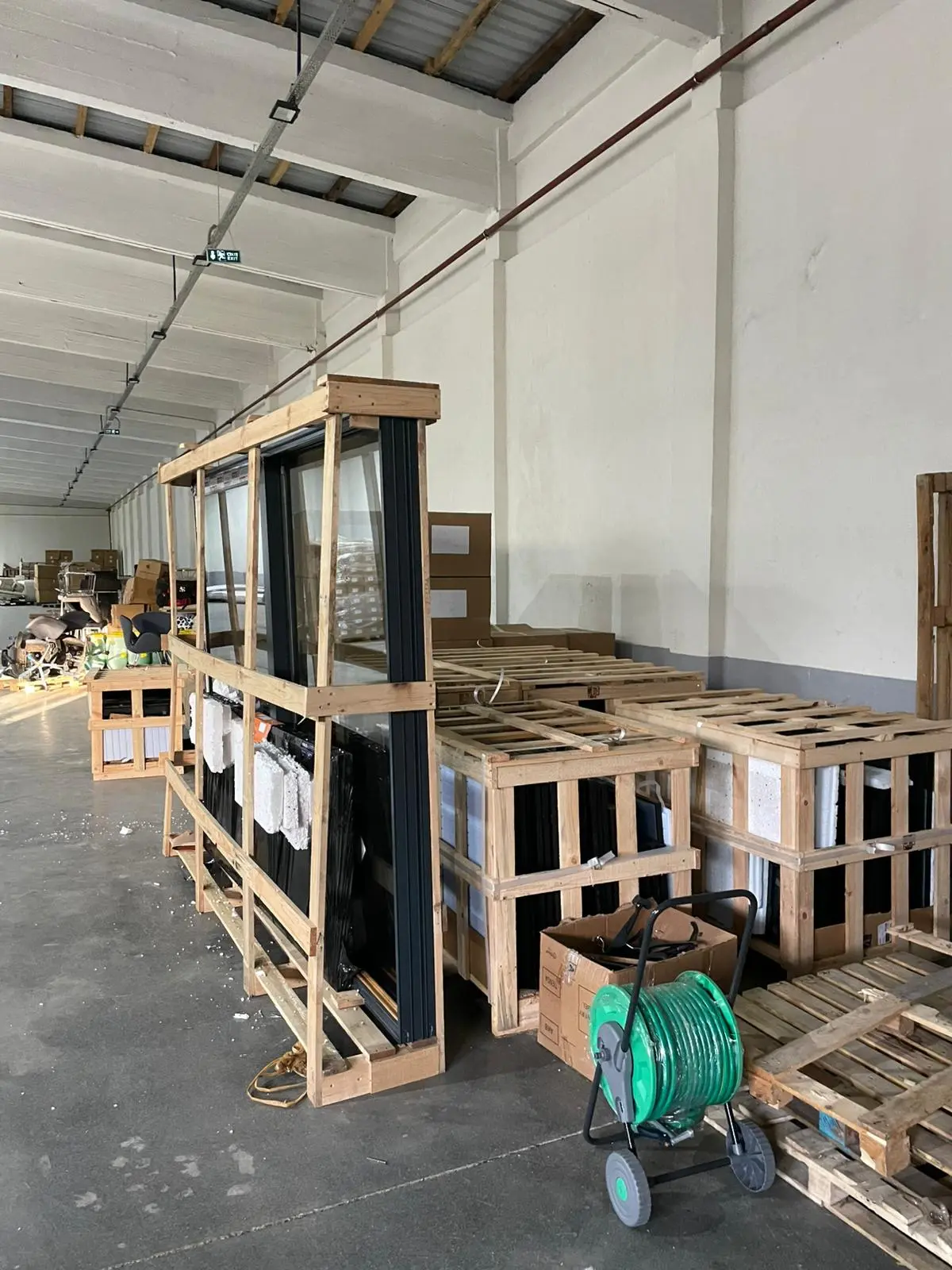
Glass is the most delicate item. Each pane is grouped with foam or cardboard between them and placed in crates. Crates are generally made from wood and tightly secured to prevent breakage during transport.
3. Accessories and Hardware Packaging
Handles, hinges, screws, and sealing materials are placed in small plastic bags or boxes. Accessories for each product group are placed inside or alongside that product's package, saving time during installation.
Disassembled Joinery in Export
At Karadeniz Mimari, we also ship disassembled aluminum systems abroad. Shipping ready-to-install, disassembled packages for projects in the Middle East, Africa, and Europe is both a safe and cost-effective method.
Export packaging must comply with international standards. Heat-treated (HT) wooden crates, transport-test-sized pallets, and shock-absorbing filling materials are used. Each package is labeled with a content list, product codes, and destination information.
Contact Karadeniz Mimari
Karadeniz Mimari doesn't just sell products. We work with you every step of the way — from project consulting and technical drawings to production, packaging, delivery, and after-sales support. Contact us for more information or to request a quote.