What is Thermally Insulated Aluminum Joinery? From Production to Delivery
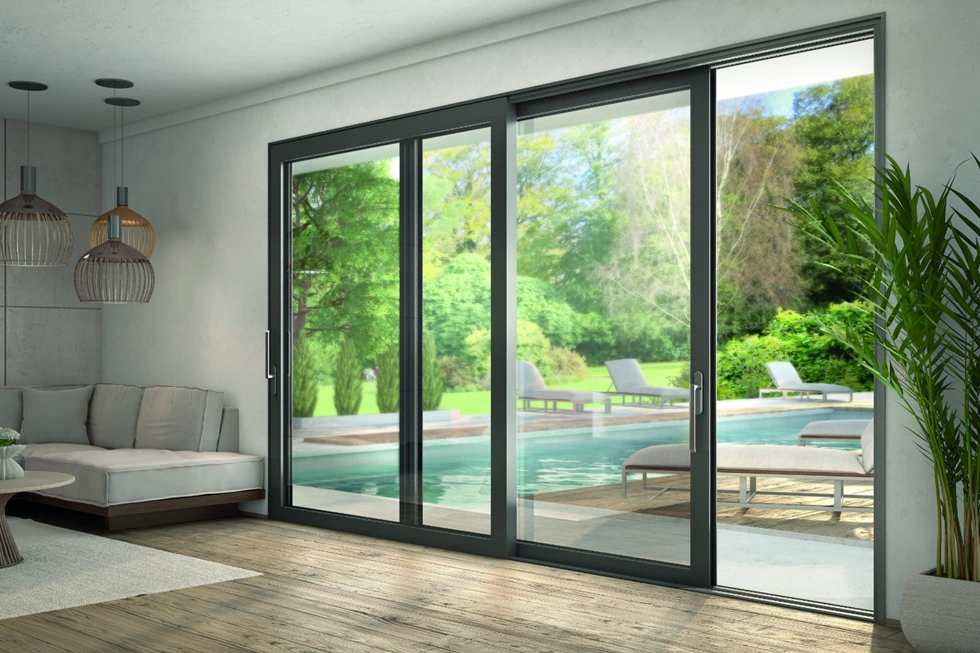
In winter, do you feel cold near the windows of some homes, yet in others you can sit right next to the glass comfortably? That difference isn't luck — it's the quality of the joinery used. In this article, we'll explain "thermally insulated aluminum joinery" — the system that creates that quality difference — in the plainest way possible. Even if your technical knowledge is zero, after reading this you'll know exactly what you need.
Why Does Thermally Insulated Joinery Exist?
Aluminum is an excellent material. It's lightweight, durable, rust-free, and retains its shape for many years. However, aluminum has one disadvantage: it conducts heat very quickly. If it's cold outside, the aluminum profile carries that cold inside. If it's hot outside, it heats the interior.
To solve this problem, engineers developed a clever solution. They cut the aluminum profile in half, creating two separate pieces, and placed a plastic barrier between them. This plastic barrier prevents cold or heat from passing from one side to the other. This is called a "thermal break" or "thermally broken" profile.
Does This System Really Affect My Bills?
Yes, it really does. And the effect can be much larger than you'd expect. Think about it this way: a poorly insulated window is like leaving a small gap in your wall every winter night. Your heating system runs all night but the warmth slowly leaks out through the aluminum frame. With thermally insulated joinery, that leakage is greatly reduced, meaning you heat your home less to achieve the same temperature — and that shows up in your bills.
Is Double Glazing Enough, or Is the Thermal Break Profile Also Needed?
This is a very good question. Double glazing does help. The air or argon gas between two panes doesn't conduct heat well. But if the aluminum profile holding the glass has no thermal break, cold air continues to seep in through that profile. No matter how good the glass is, thermal bridges through the profile weaken the whole system. For the best result, both thermally insulated glass (double or triple) and a thermal-break aluminum profile must be used together.
The Production Process
1. Profile Cutting
Aluminum profile rolls or bars arriving at the factory are cut to project-specific dimensions by CNC-controlled cutting machines. Millimeter-level precision is essential — otherwise the sash won't close, the glass won't seat properly, or sealing can't be done correctly.
2. Machining and Drilling
Screw holes, drainage holes, lock slots, and accessory holes are drilled in the cut profiles using CNC machines. Manual drilling wastes time and increases error rates.
3. Corner Joints
Corner joints of profiles are assembled using special corner brackets and pressing machines. Precision at this stage determines whether the joinery comes out rectangular or skewed.
4. Glazing
Glass is inserted into the prepared frame, seal strips are placed, and glass is secured with safety clips.
5. Accessory Installation
All accessories such as handles, locks, hinges, and rivets are installed and functional testing is carried out.
6. Quality Control
Completed products are checked for air tightness and functionality. Any issues found are corrected before delivery to the customer.
Crating: Why Is It So Important for Export?
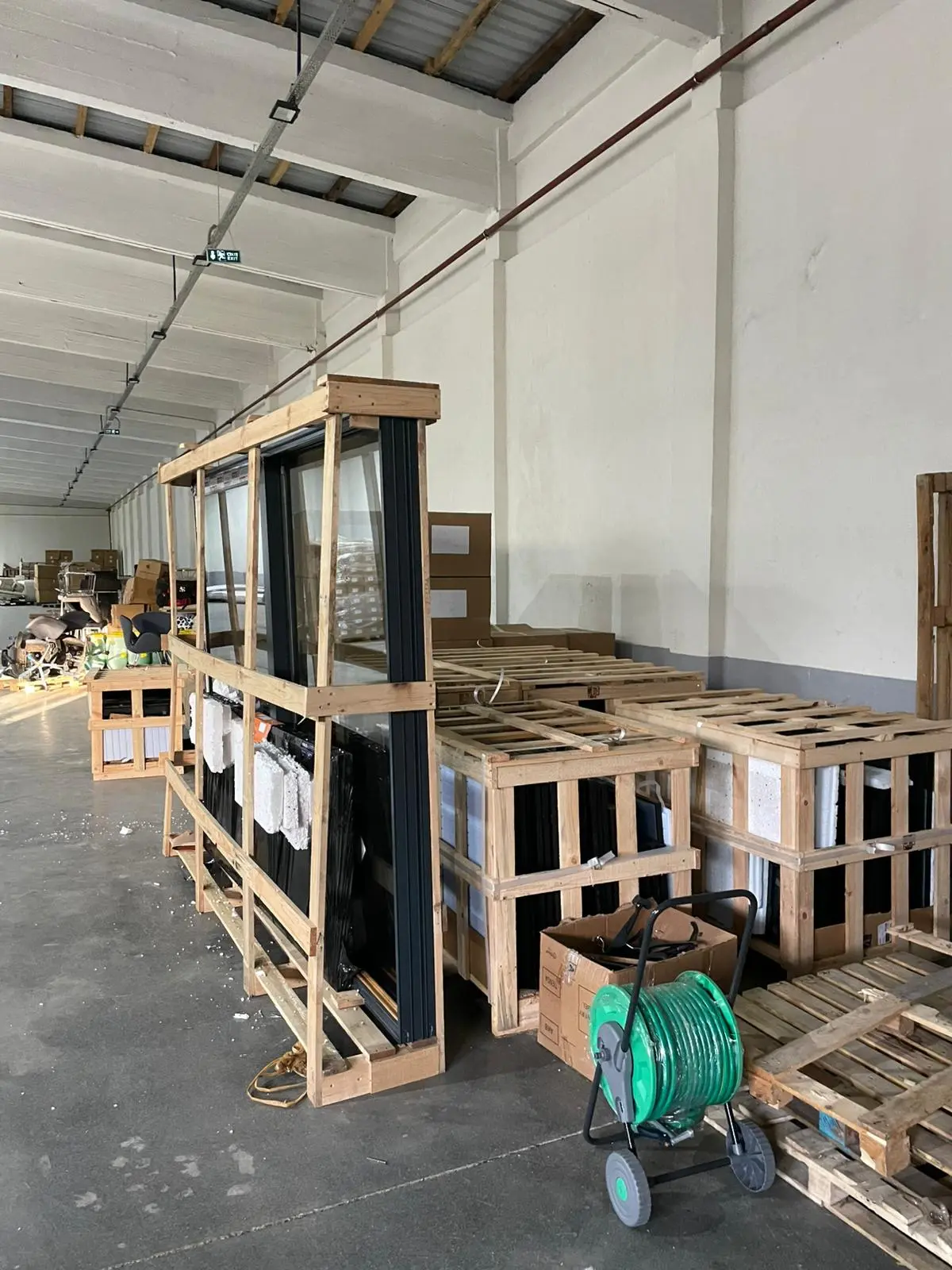
Producing a product is one achievement; delivering it undamaged is another. Especially for products going abroad, correct crating is vital. During a sea voyage, crates can fall, tip over, or have other cargo stacked on top. Packaging must be able to withstand all these conditions.
At Karadeniz Mimari, all crates sent for export comply with ISPM 15 (heat-treated wood) international standards. Each product is wrapped in protective film, glass panels are grouped with foam between them, profiles are protected with foam strips, and everything is placed in wooden crates that are screwed and strapped for security.
Contact Karadeniz Mimari
Karadeniz Mimari manufactures thermally insulated aluminum joinery using thermal-break profiles and delivers to both local projects and international export destinations. Contact us for a quote or technical consultation.